


We often think of our muscles, joints, and bones as the primary structures responsible for movement, but there is another important system quietly working behind the scenes, your fascia. This intricate web of connective tissue wraps around every muscle, organ, nerve, blood vessel, and bone in your body, providing support, stability, and communication between different systems. When fascia is healthy, movement feels smooth and effortless. When it becomes tight, dehydrated, or restricted, it can contribute to stiffness, aches, limited mobility, and even chronic pain.
Fascia deserves just as much attention as muscles and joints. Rather than simply treating discomfort when it appears, supporting fascial health can help improve movement, reduce tension, and encourage the body’s natural healing processes. The good news is that caring for your fascia doesn’t require expensive equipment or regular appointments. Many of the most effective techniques can be done right at home with just a few minutes of consistency each day.
Understanding Fascia: Why This Connective Tissue Matters More Than You Think
Imagine a three-dimensional web that runs continuously from the top of your head to the bottoms of your feet. That is your fascial system. It surrounds and connects nearly every structure in the body, helping muscles work together while allowing tissues to glide smoothly during movement.
Healthy fascia is flexible, hydrated, and resilient. It adapts to the body’s movements, distributes force efficiently, and helps maintain posture. However, long hours of sitting, repetitive movements, stress, injury, dehydration, poor sleep, and lack of movement can all contribute to fascial restrictions. When fascia loses its elasticity, it may feel like your body is “tight” even when your muscles are strong.
Many people notice this first thing in the morning or after sitting at a desk for several hours. The body feels stiff, movement becomes less fluid, and small aches begin appearing in the neck, shoulders, hips, or lower back. Sometimes these symptoms are blamed solely on aging, but often they reflect changes in the fascial system that can be improved through regular care.
Research also continues to reveal the close relationship between fascia and the nervous system. Fascia contains millions of sensory nerve endings, making it one of the body’s richest sensory organs. When fascia is under tension, it can influence how the brain perceives movement, pain, and body awareness. Likewise, chronic stress can increase muscular guarding, which in turn creates more fascial tightness. Supporting fascial health therefore benefits not only physical movement but also nervous system regulation and overall well-being.
We believe that fascia is another reminder that every system of the body works together. Improving the health of connective tissue can positively influence posture, balance, circulation, flexibility, and even how energized you feel throughout the day.
Simple Ways to Support Healthy Fascia at Home
One of the best things about fascial care is that it doesn’t need to be complicated. Small daily habits often have a greater long-term impact than occasional intensive treatments.
Foam rolling is one of the most well-known techniques for supporting fascia. By slowly rolling over areas such as the calves, thighs, glutes, upper back, and hips, you apply gentle pressure that can help reduce stiffness, improve circulation, and encourage tissues to glide more freely. The goal isn’t to push through intense pain. Instead, move slowly, breathe deeply, and allow the tissue time to relax.
Mobility exercises are another excellent way to keep fascia healthy. Unlike static stretching alone, mobility movements gently take joints through their full range of motion while encouraging the surrounding fascia to remain supple. Shoulder circles, hip circles, spinal rotations, ankle rolls, and cat-cow stretches are all simple ways to keep the body moving well.
Hydration also plays an important role. Fascia contains a large amount of water, and proper hydration helps it remain pliable and elastic. Drinking enough water throughout the day, along with eating water-rich fruits and vegetables like cucumber, watermelon, celery, and berries, supports healthy connective tissue from the inside out.
Gentle stretching performed consistently can also make a significant difference. Rather than forcing a stretch, hold each position comfortably while breathing slowly. This gives the fascia time to gradually lengthen and adapt. Stretching after walking or light activity is often more effective than stretching cold muscles.
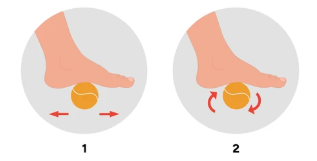
Massage balls or tennis balls can also be used at home to target smaller areas that are difficult to reach with a foam roller. Placing a massage ball against a wall behind the shoulders or under the feet can help release tension in areas that commonly become tight from prolonged sitting or standing.
Even something as simple as walking contributes to healthy fascia. Walking creates rhythmic movement throughout the body, encouraging circulation while gently loading connective tissues in a way they were designed to function. Spending time walking outdoors provides the added benefits of fresh air, stress reduction, and improved mental well-being.
Breathwork is another overlooked component of fascial health. Deep diaphragmatic breathing encourages movement through the rib cage and diaphragm, structures that are closely connected to surrounding fascial tissues. Slow breathing also helps shift the nervous system into a calmer state, reducing the muscle tension that often contributes to fascial tightness.
Perhaps most importantly, avoid staying in one position for too long. Standing up every hour, taking a short walk, or performing a few gentle stretches throughout the day helps prevent stiffness from building before it becomes uncomfortable.

Creating a Daily Fascial Care Routine
Supporting your fascia doesn’t require an hour-long routine. In fact, consistency matters far more than duration. Even ten to fifteen minutes each day can help your body move more comfortably and recover more efficiently.
You might begin your morning with a few minutes of gentle mobility exercises to wake up the spine and hips after sleeping. During the workday, stand regularly, stretch your chest and shoulders, and take brief walking breaks to reduce the effects of prolonged sitting. In the evening, spend five to ten minutes foam rolling areas that feel tight while practicing slow, controlled breathing.
Nutrition also plays a role in connective tissue health. A balanced diet rich in colorful fruits and vegetables, healthy fats, quality protein, and antioxidant-rich foods provides many of the nutrients needed to support tissue repair. Staying hydrated throughout the day further helps maintain fascial elasticity and movement.
Stress management should not be overlooked. Emotional stress often manifests physically through muscle guarding and tension, particularly in the neck, shoulders, jaw, and hips. Practices like meditation, yoga, spending time in nature, journaling, or simply slowing down can all help reduce unnecessary tension throughout the fascial system.
It’s also important to listen to your body. Mild soreness after foam rolling or mobility work can be normal, but sharp or persistent pain should always be evaluated by a qualified healthcare professional. If you have a history of injury or chronic pain, working with a physical therapist can help determine the most appropriate strategies for your individual needs.
Ultimately, caring for your fascia is about creating an environment where your body can move well, recover efficiently, and remain resilient throughout every stage of life. These simple habits not only support flexibility and comfort but also contribute to improved posture, healthier movement patterns, and a greater sense of overall well-being.
At Ocean Rock Wellness, we believe wellness is built through small, consistent actions. Caring for your fascia is one of those simple habits that often goes unnoticed until you experience the difference it can make. By moving regularly, staying hydrated, managing stress, and incorporating gentle mobility and self-release techniques into your routine, you can help your body feel lighter, move more freely, and continue doing the activities you love for years to come
If you have further questions about fascia, or have any aches and pains that need to be addressed, we have a Physiotherapist on our team. There is no referral required to book your physiotherapy appointment, and most of the visit cost is covered by major medical insurance.
Reach out to our team at 295-5101 to book your appointment today!
In health & happiness
Your Favorite Wellness Team,
Ocean Rock Wellness
Give us a call (441) 295-5100 or stop by
Charities House, 25 Point Finger Rd. Paget, Bermuda


